
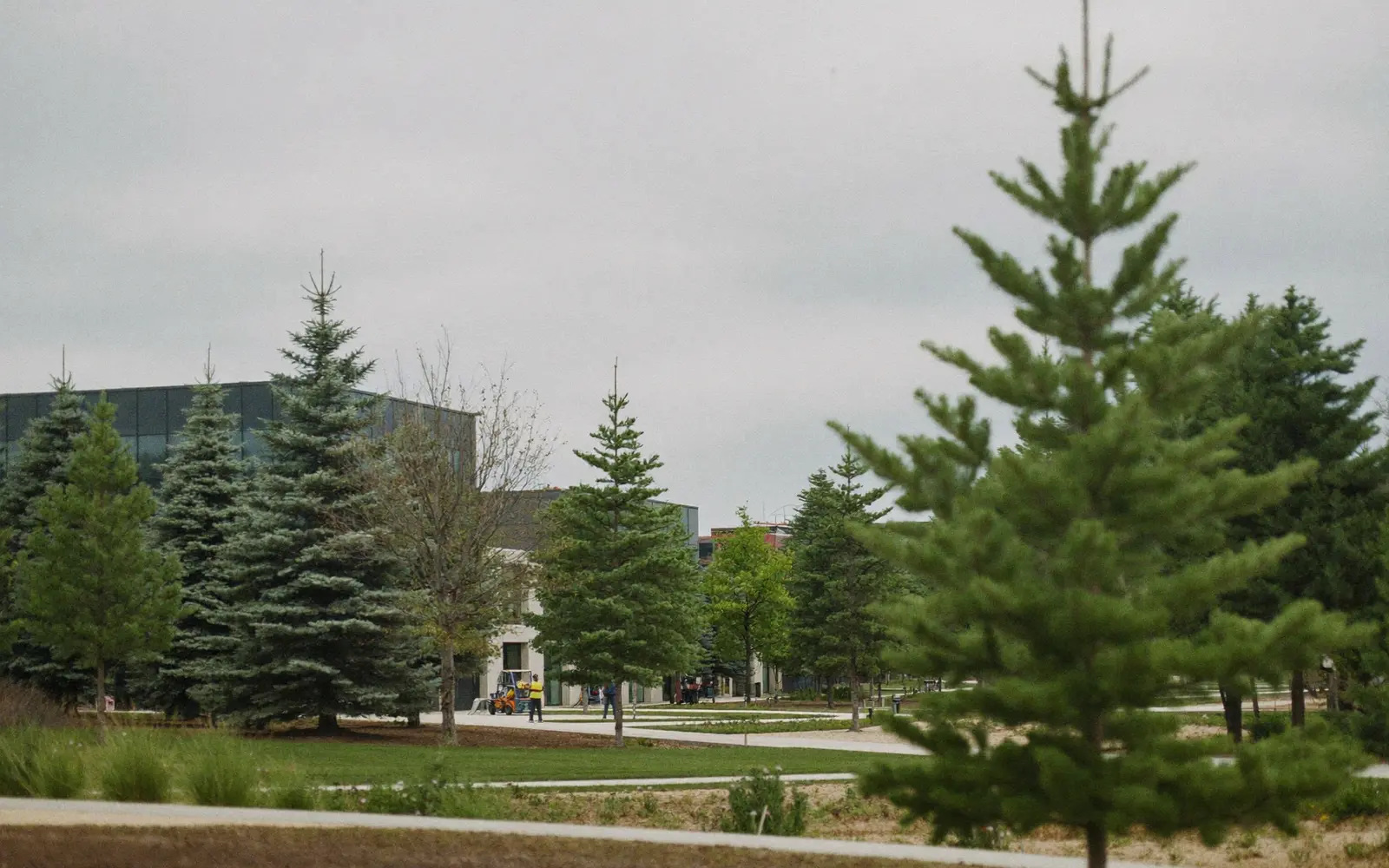
Redmond Summit Tree Service works with HOAs, property managers, office parks and multifamily communities across Redmond on ongoing tree care: inspections, pruning cycles, hazard removals, storm response, and the paperwork Redmond requires for managed properties. Many Redmond communities were built around retained native forest, with Native Growth Protection Areas, protected trees and greenbelts, so commercial tree care here is as much about compliance as cutting.
What We Do for Managed Properties
- Tree inventories and risk inspections: a map of significant trees with condition and priority.
- Multi-year pruning plans: budget-friendly cycles instead of reactive spending.
- Hazard tree removal with the city documentation done properly (hazard trees).
- Storm response: priority call-outs for common areas, parking lots and access roads.
- Native Growth Protection Area (NGPA) and greenbelt management: hazard mitigation along edges, invasive removal, without violating protection rules.
- Board and resident communication: clear explanations of why a tree stays or goes.
Redmond Rules for Commercial and HOA Properties
| Rule | What it means |
|---|---|
| 5 significant trees per acre per year | Maximum removal on developed commercial, multifamily and industrial lots, for thinning or landscape maintenance |
| Protected trees | Trees designated on a Tree Preservation Plan in the original approval can’t be removed unless hazardous |
| Critical areas & NGPAs | Trees can’t be removed; hazard trees need an arborist’s mitigation recommendations, and wood generally stays in place |
| Replacement | One native replacement per significant tree, three per landmark tree |
| 2027 code update | Redmond is rewriting its tree code. What’s changing |
Why a Plan Beats Reacting
HOAs that only call when a tree falls end up paying emergency rates, dealing with insurance claims, and arguing with residents after the fact. A simple plan, with an inventory, an annual inspection, and pruning in rotation by area, spreads costs evenly, catches root rot and dead tops early, and gives the board documentation if a tree ever fails.
Typical Annual Cycle
- Late summer: risk inspection before storm season.
- Fall: hazard removals and priority pruning.
- Winter: storm response; dormant-season structural pruning.
- Spring: invasive removal, replanting replacement trees.
- Summer: watering plan for young trees; budget for next year.
For arborist documentation see arborist reports.
Related Services in Redmond
Questions We Hear
How many trees can a commercial or multifamily property remove per year in Redmond?
Redmond allows no more than five significant trees per acre per year on developed commercial, multifamily and industrial lots, for thinning heavily wooded areas while keeping the site's forested character, or for maintaining landscaped areas. Removals still need a permit, and protected trees from the original development approval have extra rules.
Our HOA has 'protected trees' on the plat. What does that mean?
Many Redmond subdivisions were approved with a Tree Preservation Plan that designated specific trees as protected. Those trees can't be removed or altered unless a certified arborist finds them hazardous, and removal needs a Tree Exception Request. Check your plat and CC&Rs before planning work.
Can you work around residents and tenants?
Yes. Work is scheduled around parking, access and quiet hours, with notices for residents, cones and signage, and cleanup the same day.