
Redmond Summit Tree Service coordinates certified arborist reports and tree risk assessments for Redmond homeowners, builders and HOAs: hazard tree declarations, tree exception requests for landmark trees, and tree preservation plans for construction permits. Redmond’s tree code relies on arborist documentation more than most cities, so getting the right report, in the format the city expects, saves weeks.
When You Need an Arborist Report in Redmond
| Situation | What the city asks for |
|---|---|
| Removing a hazardous tree | Hazard Tree Removal Declaration with a tree health assessment by a certified arborist (no fee; photos may be accepted for obviously dead trees) |
| Removing a landmark tree (over 30” DBH) | Tree Exception Request with arborist report and/or photo documentation |
| Exceeding the yearly removal limit | Tree Exception Request |
| Removing trees in a critical area | Arborist’s hazard finding and mitigation recommendations |
| Construction (new home, addition, ADU, short plat) | Tree Preservation Plan + Arborist Report showing compliance with RZC 21.72, including 35% retention of significant trees and protection during construction |
What’s in a Report
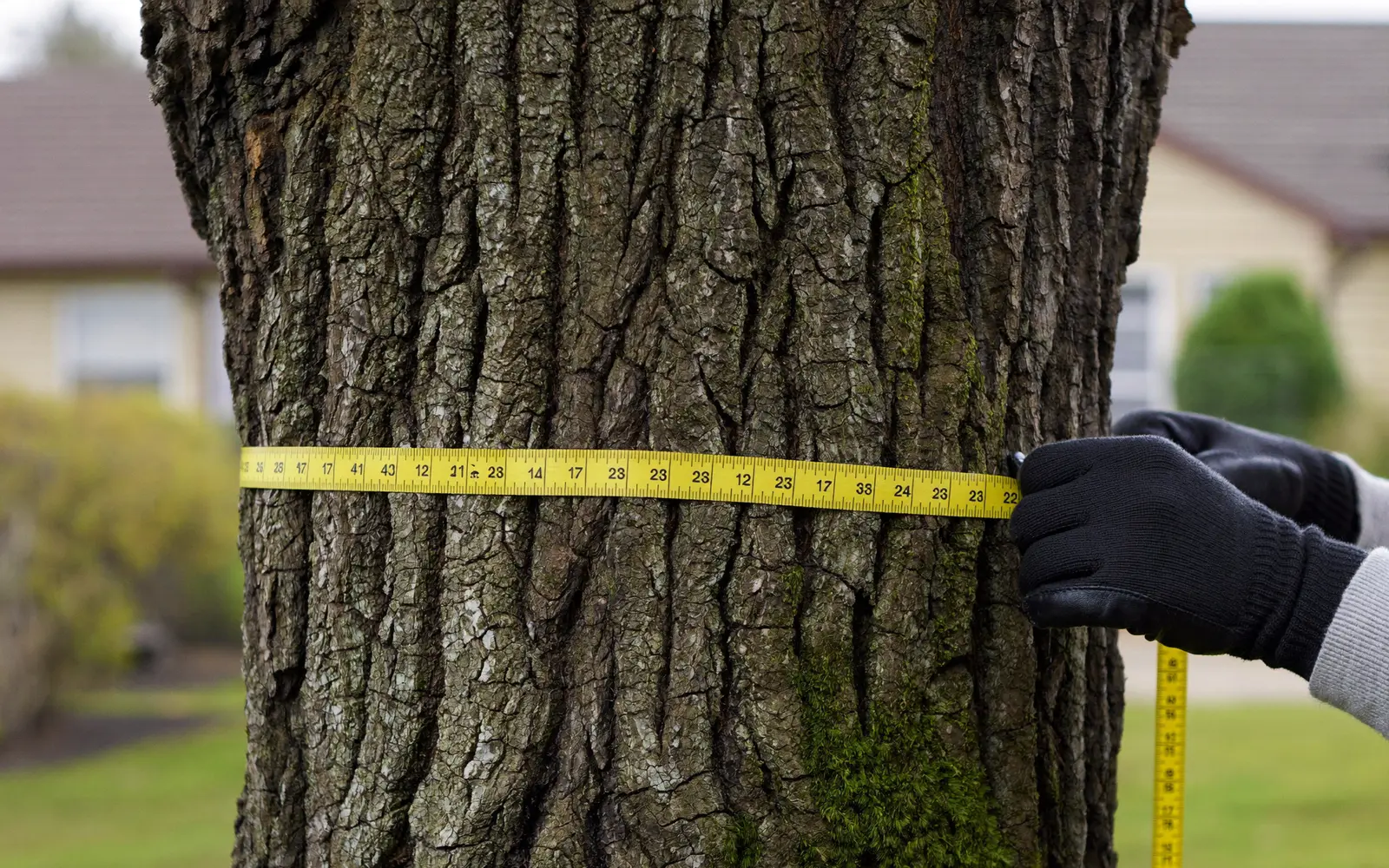
- Tree inventory: species, trunk diameter (DBH), height, crown spread, location on a site plan.
- Condition: health, structure, defects, decay, root issues.
- Risk assessment: likelihood of failure, likelihood of impact, consequences. Often done by an arborist with ISA’s Tree Risk Assessment Qualification (TRAQ).
- Recommendations: retain, prune, cable, monitor or remove.
- For construction: which trees are retained (and that 35% is met), tree protection zones, fencing, and construction limits near roots.
Hazard Assessments for Homeowners
If you’re worried about a specific tree, like a leaning fir, a cracked maple or a cedar with a dead top, a hazard assessment tells you whether it’s actually dangerous and what to do about it. If removal is justified, the same assessment supports your Hazard Tree Declaration.
Reports for Builders and ADUs
Redmond’s middle-housing and infill rules mean more ADUs and lot splits, and every one of them needs the tree side done right. Most delays we see come from reports that don’t match the site plan, missing retention calculations, or protection zones that conflict with the building footprint. Plan the trees with your designer early.
Redmond is rewriting its tree code, with adoption expected in early 2027. The update changes how tree credits and retention are calculated for development, so check our tree code update page before you start a project.
Related Services in Redmond
Questions We Hear
When does Redmond require an arborist report?
Three common cases: a Hazard Tree Declaration (tree health assessment by a certified arborist), a Tree Exception Request to remove a landmark tree over 30 inches or exceed yearly limits (arborist report and/or photos), and any construction permit, which needs a Tree Preservation Plan and Arborist Report showing compliance with RZC 21.72.
How much does an arborist report cost?
A simple single-tree hazard assessment usually costs a few hundred dollars. Reports for construction permits, which inventory every significant tree on the site with a preservation plan, cost more depending on how many trees and how complex the site is.
How long does it take?
A single-tree assessment can often be done within a week. Full site inventories for development permits take longer, depending on site size and the number of trees.